 The Mad in America Continuing Education Project is pleased to announce the posting of its second on-line course.
This course qualifies for 3.0 CMEs approved by the American Academy of Family Physicians and 2.5 CEUs approved by Commonwealth Educational Seminars for psychologists, social workers, licensed marriage and family counselors, nurses and certified addiction counselors.
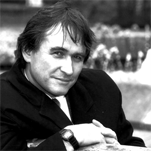
We are fortunate to have enlisted the expertise of one of the world’s premier researchers, Martin Harrow, PhD, of the University of Illinois Chicago Medical School as he presents his 26-year comprehensive outcome study of individuals diagnosed with schizophrenia and other psychotic disorders.
The course includes a one-hour discussion moderated by Bob Whitaker which includes Dr. Harrow’s chief collaborator, Dr. Thomas Jobe. The two lessons together focus on the improved outcomes for people who stopped taking antipsychotic medications compared to those on antipsychotics.
 Martin Harrow, PhD
Martin Harrow is a psychologist and widely-cited expert on schizophrenia and bipolar disorders. He has published over 250 scientific papers and four books on these and related areas. As Director of the Chicago Followup Study, he has received several national awards for his research on thought disorder, psychosis, long-term adjustment, suicide, and recovery in schizophrenia. Recently his research has focused on longitudinal studies of the long-term effects of antipsychotic medications. He has been on the faculty at Yale University and the University of Chicago, and in 1990, moved to the Medical College of the University of Illinois as Professor and Director of Psychology in the Department of Psychiatry. He is now Distinguished Professor Emeritus there.
We look forward to sharing the work Dr. Harrow, Dr. Jobe and other colleagues in better understanding the relationship between long-term use or non-use of psychiatric medications and important outcomes like functional status, psychotic symptoms and rehospitalization.
Read More Hikaru Hori, Reiji Yoshimura, Asuka Katsuki, Atsuko-Ikenouchi Sugita, Kiyokazu Atake, Jun Nakamura
Department of Psychiatry, University of Occupational and Environmental Health, 1-1 Iseigaoka, Yahatanishi-ku, Kitakyushu, Fukuoka 8078555, Japan
This study sought to examine whether switching polypharmacy therapy to monotherapy would improve the cognitive function and social function of patients with schizophrenia.
Read MoreOne of the first lessons I received as a psychiatrist-in-training 35 years ago was the value of antipsychotic medications. These medicines have been available for the treatment of psychosis for over half a century, beginning with the prototype first generation drug chlorpromazine (Thorazine) and now extending to some 20 different compounds, including several second-generation medications, often called “atypical antipsychotics.” Symptoms such as hallucinations, delusions, and paranoia are reduced reliably by these drugs. Although these symptoms can be frightening and dangerous for patients, family members, and providers, antipsychotics safely and effectively help people through the crisis of acute psychosis.
However, the long-term management of chronic mental illness is another matter. Recently, results from several studies have suggested that these medications may be less effective for the outcomes that matter most to people with serious mental illness: a full return to well-being and a productive place in society.
Read MoreIn previous posts in this series, I noted that the standard treatment of conditions labeled as schizophrenia (and related disorders) is to start neuroleptics early and to continue them indefinitely. This is based on the belief that untreated psychosis is bad for the brain and that relapse is much higher when the drugs are stopped than when they are continued. The rationale for this approach, and my discussion of the limitations of these assertions, were the topics of previous blogs in this series.
Read More I want to talk briefly about “recovery.” Many clinicians and program directors were trained, as I was, to think that regaining marginal improvement or downward course were the only two options open for persons with repeated episodes of serious and persistent psychiatric problems, such as the group of schizophrenias, major depressions, or bipolar disorders. However, there have been over 30 follow-up studies, both short and very long, as well as hundreds of former recipients of services all displaying carefully collected data and brilliant examples about the possibilities of significant improvement and even full recovery.