
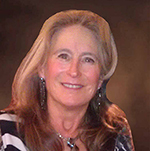
Traditional Western psychological approaches to working with voice-hearers have viewed voices, visions, or unusual beliefs or “delusions” purely as pathology or symptoms of psychiatric illness, and typically teach voice-hearers to ignore them. The Hearing Voices approach encourages a sense of curious engagement towards voices, as you would connect with someone you were getting to know. “People frequently do change their understanding [of voices, visions, beliefs] when they have a place where they can explore the context of the experience,” said Cindy Marty Hadge, lead trainer with the Western Massachusetts Recovery Learning Community.
Voice hearers globally report that voices and visions have been changing in response to rapidly deteriorating conditions and are becoming more distressing. Others had been hearing voices and having visions and beliefs with content including apocalypse, pandemics, and economic collapse far before COVID-19, and are struggling with how to make sense of it all. The Hearing Voices USA Charter promotes “acceptance that voices and visions, tactile sensations and other unusual or misunderstood experiences are real experiences.” But the ability to discern “consensus reality,” is especially hard right now for everyone. Voice-hearers have additional layers to navigate in a world filled with extraordinary uncertainty.
While in many ways voice hearers are struggling, there are also skills that accompany hearing voices. Many voice-hearers are accomplished at navigating crisis, confusion, and uncertainty, including economic uncertainty due to the discrimination and disability that was widespread before this crisis. Social isolation is not new to many voice-hearers who have found themselves shunned by friends and family unable to understand their experiences.
In this time of physical distancing, people cannot access in-person Hearing Voices groups or other social connections that were essential to their sense of well-being. Others are unable to access holistic mind-body approaches such as acupuncture or neurofeedback that help them to regulate the voices more easily. The loss of holistic modalities, which cannot be replicated online, has been felt acutely by many. Check out this practical COVID-19 survival guide for voice-hearers facing the loss of helpful supports, developed by Hearing Voices – England.
Created and curated by the Western Massachusetts Recovery Learning Community (WMRLC). Most importantly, Hadge says, “Find support for yourself as well as for the person you are supporting. Build your team and support them to build theirs. Hearing Voices research talks about connecting people with others who use similar frameworks for understanding their experiences, whatever that framework may be.”
With the support of Open Excellence, WMRLC led some of the world’s first online Hearing Voices groups even before the pandemic. WMRLC director of training Caroline Mazel-Carlton, together with Hadge, provide technical assistance to Hearing Voices group facilitators across the USA and internationally who need help transitioning to the Zoom format. There are a growing number of Hearing Voices online supports for voice-hearers, friends and family. Be sure to explore other groups as well including LGBTQ+, youth, Alternatives to Suicide groups, recovery groups, creativity groups, spirituality groups, and much more.
Your monthly investment today can help ensure that online Hearing Voices supports are as available and accessible as possible to voice-hearers, family, and friends—in their homes, where they need it right now. Your investment will support ongoing efforts to create a strong and sustainable online infrastructure that will serve voice-hearers and their families around the world, day by day through this current crisis, and far beyond.









i couldn’t donate, the button didn’t work for me