June 12, 2020 by Samantha Lilly | MadInAmerica.com
Black Suicidality and Mental Health #BlackLivesMatter
Suicide attempts made by Black youth rose by 73% from 1991 to 2017.
The Congressional Black Caucus Emergency Task Force On Black Youth Suicide and Mental Health recently published a comprehensive report designed to not only educate but to sound the alarm on Black suicidality. Attempting to push back on the trite belief that Black youth simply “do not kill themselves,” this group of Black scientists, Black mental health care practitioners, Black organizers, and Black activists are working to bring Black youth suicide into focus during conversations concerning mental health care in the United States. This blog post is largely informed by the report—please consider reading the report before reading the rest of the blog post.
It is not surprising that this may be the first time you are reading exclusively about Black suicidality. Given the pervasive and prevalent systemic racism found within academia, alongside the insidious and covert discrimination (racism) found in both the nation’s greater science community, (the NIH, the NIMH, the American Psychological Association, and the American Psychiatric Association) and the United States of America writ large, Black scientists and practitioners have been trying to sound the alarm with little to no avail.
The reason for their lack of success is twofold. 1. White and non-Black researchers and practitioners are not doing the work nor are we listening to those who are doing the work— evidenced by your surprise at the 73% increase in suicide attempts made by Black youth in the past thirty years. And 2. Black researchers are 10% less likely to be awarded research funding in comparison to their white counterparts, leaving the important work concerning race and mental health unfunded, unfinished, and undone.
Moreover, media of all kinds fails to address race statistics when reporting and disseminating information surrounding suicidality. Indeed, even in popular media, Black youth are rarely depicted on the big screen as dealing with thoughts of suicide. Black pain and suffering, particularly Black mental pain and suffering, is made invisible and invalidated as it does not fit in with the white racist oeuvre of what it means to be Black in the United States. Typically, it is the frail, misunderstood, chain-smoking white teenage boy or the bullied white teenage girl.
Rarely, if ever, are we given any insight as to what specific lived experience of suicidality Black youth deal with day-to-day in the 21st century—and based off of the statistic above, it is obvious they are dealing with it.
If we are to be authentic in our chants and ever-changing profile pictures, all proudly proclaiming that Black Lives Matter, we must take seriously all the ways Black people die and are at risk to die at disproportionate rates to non-Black people, inclusive of suicide.
The risk factors for suicidality outlined in the Congressional Black Caucus Emergency Task Force’s report are all inextricably intertwined with inequality and modernity.
Each “risk factor” outlined is a non-dominant identity—showcasing that we force Black people in the United States to pay a mental toll for each of their deviances from whiteness, the patriarchy, heteronormativity, and neoliberalism.
For example, LGBTQIA+ Black youth, Black youth hailing from a low socioeconomic status, and Black youth who are targets of bullying i.e., racism, are all considered at high risk for a suicide attempt.
Sure, all queer people in the U.S. pay a mental toll for their identity. It is already dangerous to be transgender and live in the United States, but couple that identity with Blackness, it is not just dangerous, it is deadly….
#SayHerName Nina Pop
#SayHisName Tony McDade
#BlackTransLivesMatter
Similarly, socioeconomic stress is known to have deleterious effects on mental health and wellness. From slavery, to redlining, to gentrification, this country has always been designed to keep Black people socioeconomically disadvantaged—taking yet another mental toll.
Another toll must be paid whenever a Black person logs into Facebook, Twitter, or Instagram. Will today be another day where they are forced see one of their peers lynched by police? In fact, a recent survey of young people of color suggests that exposure to “online racial traumatic events” is associated with depression and post-traumatic stress symptoms, both of which have been associated with suicide risk.
Even outside of the scope of race, suicide can largely be understood as a symptom of inequity, caused by the compounding negative effects of all sorts of structural injustices: racism, classism, sexism, and ableism, rather than a direct tie to a diagnosable mental illness or an unexpected one-off crisis.
What is the first step that mental health care practitioners and so-called allies can take to meaningfully push back against the rising rates of completed suicides and suicide attempts for Black youth? By understanding suicidality as a complex and nuanced social justice issue, rather than solely an issue of mental illness fixed only by pharmaceuticals and Cognitive Behavioral Therapy, we are given the framework to critically understand, speak truth to, and breathe nuance into Black suicidality. In other words, we are given the framework to begin to fix it.
To reiterate once more, young Black people who have attempted to take and have taken their lives did not lack resiliency nor were they necessarily mentally ill.
No.
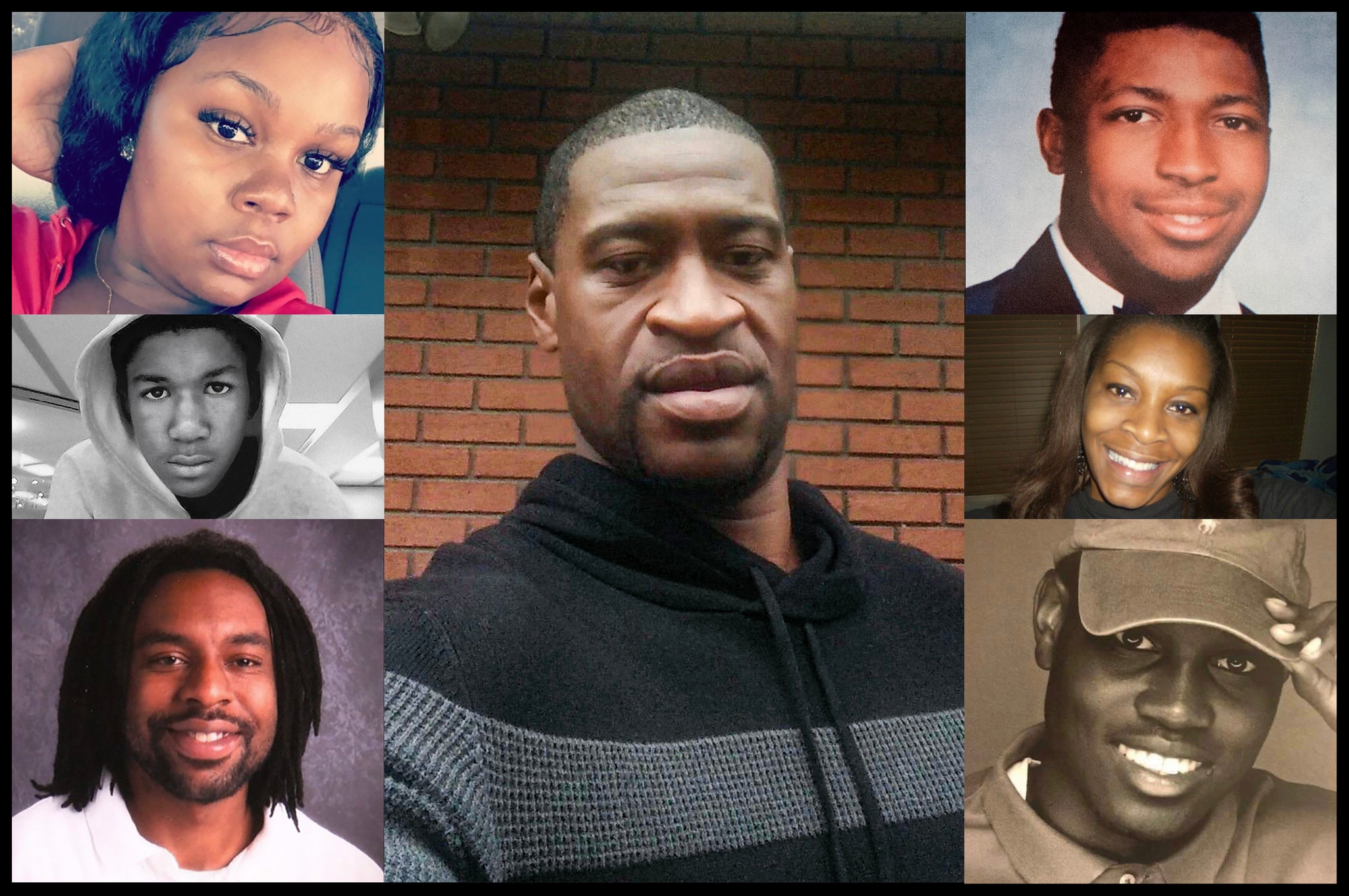
The young Black people who are killing themselves live in a society where their Black peers are fearful every day. They live in a society where the odds are systemically and methodically stacked against them. They live in a society where Black people are murdered for going on a run in Georgia. #SayHisName Ahmaud Arbery. They live in a society where Black people are shot dead sleeping in their bed. #SayHerName Breonna Taylor. They live in a society where Black people cannot breathe. #SayHisName Eric Garner. #SayHisName George Floyd. They live in a society where a traffic stop is life or death. #SayHerName Sandra Bland. They live in a society where young boys are murdered for walking with their hoods on, with Skittles in their hand. #SayHisName Trayvon Martin.
They live in a society where this is nothing new. #SayHisName Emmitt Till.
These young Black people live within the confines of a culture that continues to foster and perpetuate such an insidious form of racism that we will never be able to say all the names of those lost senselessly to horrifying inequity and bigoted ignorance and indifference. These young Black people live in a country where they are told day-in-and-day-out that their lives do not matter. And yet, we have the audacity to be surprised when faced with a statistic that demonstrates exactly what we have told them.
So, let’s call it like it is: The suicides that have transpired and will ensue in Black communities can be understood to be caused by an institutionalized inequality that requires Black folks to negotiate their quality of life with life itself. And, to only speak to their suicide and suicide attempts as a “mental health issue” not only underestimates their resiliency, but grossly discounts the emotional toll racism continues to take on Black people in the United States.
And, even if Black suicidality were solely accounted for by the biomedical model of mental health, Black people are disadvantaged there as well. Indeed, Black people are less likely to have access to mental health services, less likely to seek out services, less likely to receive needed care, more likely to receive poor quality of care, and more likely to end services prematurely. This inaccessibility is rooted in systemic racism, too.
What is even more frustrating is that when Black people do seek out and acquire mental health care, the Black psyche has been historically portrayed as “unwell, immoral, and inherently criminal” (read The Protest Psychosis by Jonathan Metzl and see for yourself), rendering Black anger and sadness as needing mental health care but limiting quality and meaningful access to it.
Therefore, the implicit bias (racism) toward Black minds, in conjunction with a dominantly white mental health workforce, is yet another emotional and mental toll society takes from Black people daily.
It is my hope that by now, the statistic at the beginning of the blog post is unsurprising. So, what are you going to do about it?
Here are five easy things you can do today to address Black youth suicide and Black mental health.
- Listen to and learn from Black practitioners, researchers, and organizers. (Below is a reading list.)
- Question, always, how systems of oppression are so obviously detrimental to mental wellness and health.
- Acknowledge and own your privilege if you are not Black; be proactive in finding ways to use your privilege to push back against anti-Black racism in mental health care.
- Stop reposting Black death.
- Sign petitions to defund the police and other petitions organized by Black people.
Black Mental Health Resources That Are Accepting Donations
BEAM Collective: We are a collective of advocates, yoga teachers, artists, therapists, lawyers, religious leaders, teachers, psychologists and activists committed to the emotional/mental health and healing of Black communities. https://www.beam.community/whatwebelieve
The Okra Project: The Okra Project is a collective that seeks to address the global crisis faced by Black Trans people by bringing home cooked, healthy, and culturally specific meals and resources to Black Trans People wherever we can reach them. https://www.theokraproject.com/
The Loveland Therapy Fund: With the barriers affecting access to treatment by members of diverse ethnic and racial groups. Loveland Therapy Fund provides financial assistance to Black women and girls nationally seeking therapy. https://thelovelandfoundation.org/loveland-therapy-fund/
Harriet’s Apothecary: Harriet’s Apothecary is an intergenerational, healing village led by the brilliance and wisdom of Black Cis Women, Queer and Trans healers, artists, health professionals, magicians, activists, and ancestors. Our village, founded by Harriet Tubman and Adaku Utah on April 6, 2014, is committed to co-creating accessible, affordable, liberatory, all-body loving, all-gender honoring, community healing spaces that recognize, inspire, and deepen the healing genius of people who identify as Black, Indigenous and People of color and the allies that love us. http://www.harrietsapothecary.com/who-we-are
Educational Resources on Black Mental Health Written by Black People
The Unapologetic Guide to Black Mental Health: Navigate an Unequal System, Learn Tools for Emotional Wellness, and Get the Help you Deserve – Dr. Rheeda Walker
Black Pain: It Just Looks Like We’re Not Hurting– Dr. Terrie M. Williams
Too Heavy a Yoke: Black Women and the Burden of Strength– Dr. Chanequa Walker-Barnes
Un-Ashamed – Lecrae
Invisible Man, Got the Whole World Watching, A Young Black Man’s Education – Mychael Denzel Smith
Willow Weep For Me: A Black Woman’s Journey Through Depression – Meri Nana-Ama Danquah
Heavy – Kiese Layman
My Grandmother’s Hands: Racialized Trauma and the Pathway to Mending Our Hearts and Bodies – Resmaa Menakem MSW, LICSW, SEP
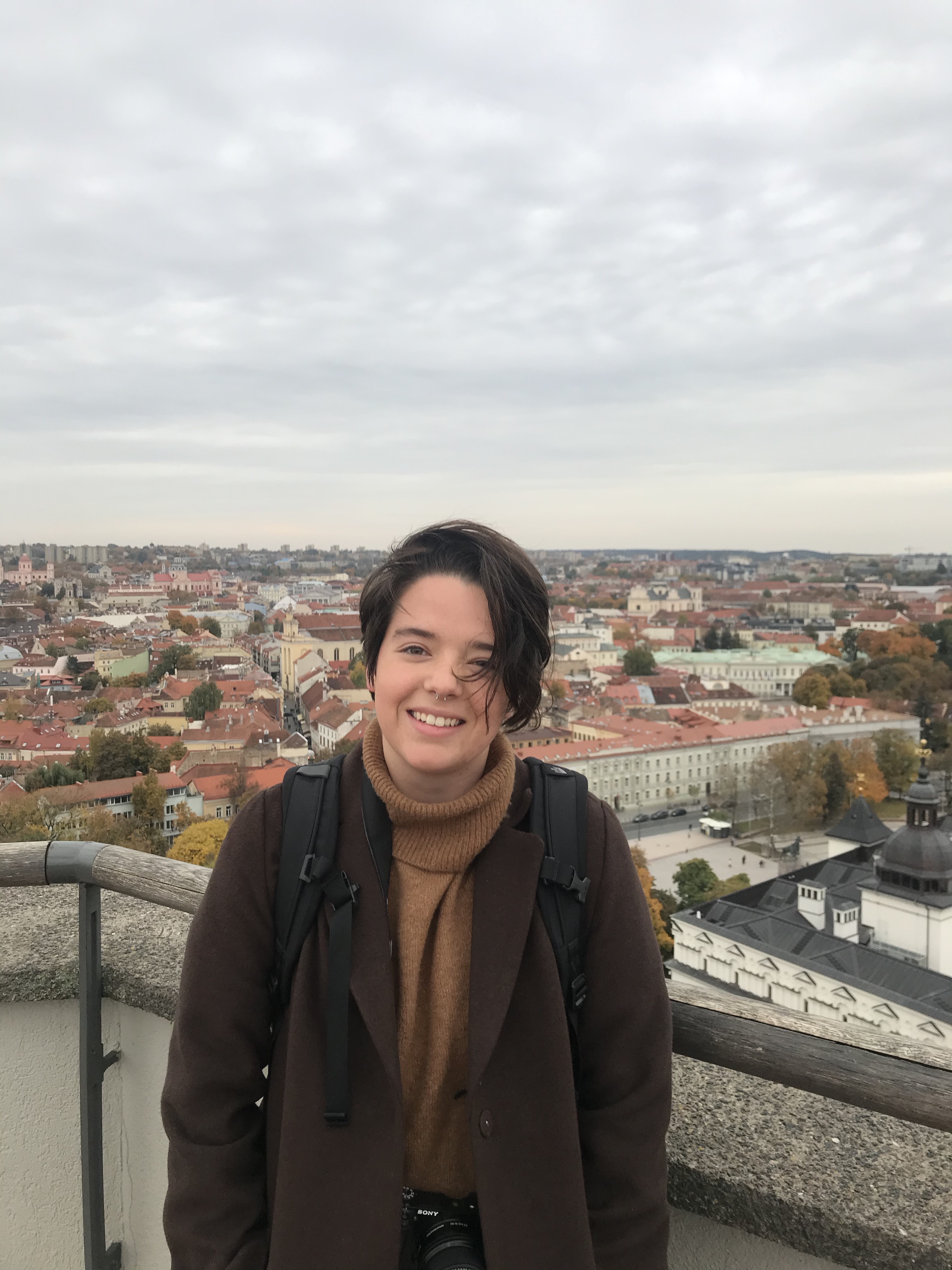 Samantha Lilly brings their background in philosophy, bioethics, and social justice to their work as a critical suicidologist, with the belief that suicidology, at its best, is social justice work. Before beginning a Ph.D. in Health in Social Science at the University of Edinburgh, Sam was awarded a Thomas J. Watson Fellowship. Their project, “Understanding Suicidality Across Cultures,” gave them the privilege of working alongside ethicists, scholars, and rights advocates in the Benelux countries, Lithuania, Argentina, Aotearoa, and Indonesia. Sam’s current research is dedicated to bringing feminist and decolonial methodologies to suicide prevention.
Read More
June 9, 2020 by Megan Brooks | Medscape
COVID-19: Experts Warn of Psychological Trauma From ‘Air Hunger’

Psychological trauma that may result from feelings of severe breathlessness in COVID-19 patients receiving lung protective ventilation is an “urgent” problem that requires increased awareness and appropriate treatment, say three critical care physicians.
“With the likelihood that hundreds of thousands of short-of-breath patients around the world during this pandemic will require low-tidal-volume mechanical ventilation, we are concerned about the potential for mass psychological trauma among the survivors, induced by untreated air hunger,” write the physicians, led by first author Richard Schwartzstein, MD, chief of the Division of Pulmonary, Critical Care and Sleep medicine at Beth Israel Deaconess Medical Center and Harvard Medical School.
“During this crisis, we urge physicians providing critical care to attend to the possibility of extreme air hunger in ventilated COVID-19 patients with ARDS and to consider the known pharmacologic benefits of opiates in their management,” they add.
The perspective article was published online June 5 in Annals of the American Thoracic Society.
Read More
June 4, 2020 by Nicole Beurkens, PhD, CNS | MadInAmerica.com
Supporting Children and Parents to Withdraw from Psychiatric Medication
Part 1 of 2
Few things are more frustrating and heartbreaking for a parent than having a child who struggles with anxiety, behavior, mood issues, or learning, doing everything they’re told to do to help that child and then watching them continue to struggle or get worse over time. Most parents want what is best for their children and will do whatever they can to help them be happy, healthy, and successful.
Parents of children with challenges can quickly find themselves and their child on a twisted path of evaluations, treatment recommendations, and medications that seems to lead nowhere close to the destination they and their child desire – for the child to feel and function well. They are typically not given thorough information about potential root causes of their child’s challenges, all available options to address them, or what they should do before looking at medications for their child. So, parents do what they are told will be helpful – they fill the prescriptions and expect that their child will improve.
But rarely is that the end of the story. For many, it is the beginning of a rollercoaster ride that neither parents nor child agreed to take. Psychiatric medications often do not lead to sustained improvement for children and can cause many adverse side effects that bring with them a host of new problems. Even when they do support symptom reduction, these drugs do not resolve the root causes of a child’s challenges and can lead to short and long-term health concerns. Yet they are widely used for symptoms and conditions that research has shown benefit from other approaches without the short and long-term safety concerns associated with these drugs.
Parents and Children Have Questions
What happens when a parent has gone down the medication path with their child, but now desires to take another approach? Or when a child decides they no longer want to use psychiatric drugs to address the behaviors or feelings for which they were prescribed? How can parents help their child safely withdraw from these medications? What treatments and supports may be needed to get through this process, and to address the problems without medications?
Read More
June 4, 2020 by Tonya Russell | The New York Times
Check in on Your Black Employees, Now
Between the pandemic and the killings of George Floyd and others, the mental health of black people is floundering. Employers must address these issues head-on.
When a video goes viral showing violence against a black person, the shock waves are felt throughout our community. Our social feeds show a mixture of outrage, despair and an overall sense of fatigue.
When another breaking news story inevitably takes center stage and pushes the violence into the background, we still feel that pain. Black people don’t have the luxury of moving on when the media does.
This deep-seated pain, stemming from inherited racial trauma and modern examples of injustice, informs our health, both mentally and physically. Allostatic load is the measure of wear and tear on the body caused by chronic stress, and some studies suggest that “weathering” the effects of racism may shorten average life spans for black people, over time.
“Anxiety, depression, sleep disturbances, gastrointestinal issues and elevated blood pressure” are just some of the medical issues that could “point to poor stress management,” said Olivia Affuso, an associate professor in the department of epidemiology at the University of Alabama, Birmingham.
This is why, as cities erupt in protests over police brutality, black people are in desperate need of support — especially from their employers.
Read More